

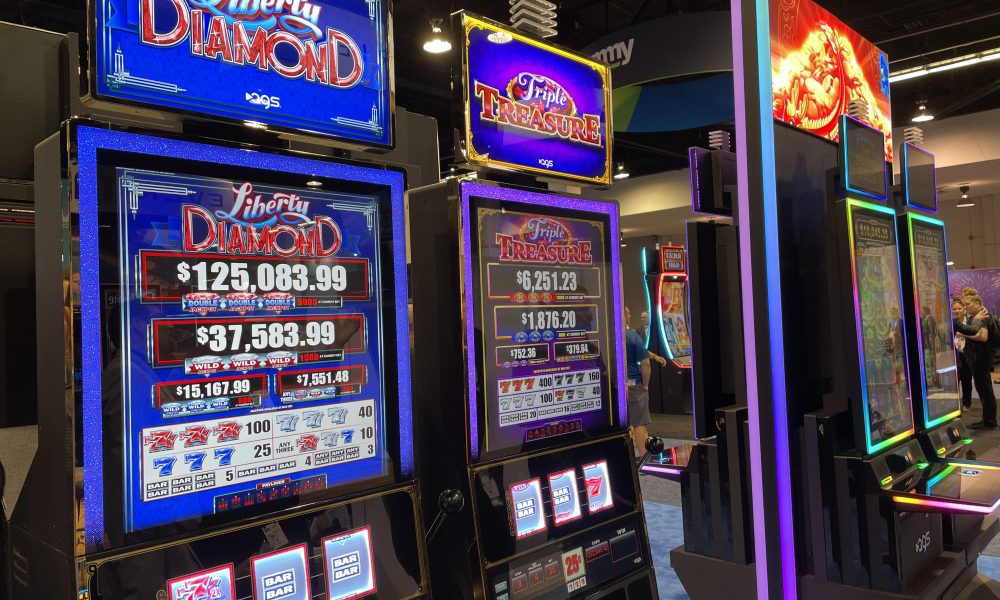
Random jackpots follow no payline. No symbol combination triggers them. No bonus round entry is required. They appear mid-spin, independent of the reel result, landing on losing spins as frequently as winning ones. This separation from standard win conditions defines them structurally. A spin without a payline win can still end with a jackpot payout attached to it. Most players encounter this mechanic without knowing why it is activated. The answer is not on the reels. It sits inside an engine running invisibly beneath every spin.
Random jackpot mechanics in online MrCoin88 slot are based on that probability engine. Each spin generates a separate jackpot probability calculation running parallel to the standard reel evaluation. The two calculations never intersect. Reel symbols determine payline outcomes. Parallel calculations determine jackpot activation independently. Both are complete within the same spin. One result appears on the grid. The other either triggers the jackpot or does not, and that determination has no connection to what the reels display.
Probability and bet size
Bet size influences jackpot probability in most random jackpot systems. Higher bets produce better jackpot activation odds on each spin. The relationship is proportional rather than fixed. Doubling the bet does not double the probability precisely, but it moves it meaningfully in a favorable direction. Some games publish this relationship openly. Others embed it within general paytable information without specifying exact probability figures for each bet level.
Must-hit-by mechanics
Random jackpots rarely run without a ceiling. Must-hit-by mechanics program a maximum value for the jackpot. As the accumulating jackpot approaches that ceiling, activation probability increases with every spin. The jackpot is guaranteed to trigger before reaching the programmed ceiling. Players cannot see the ceiling value. What they see is the accumulating figure displayed on the screen. Games running multiple random jackpot tiers operate separate must-hit ceilings for each tier simultaneously.
Tiered random jackpots
Single random jackpots exist, but tiered structures are more common across current releases. Mini, minor, major, grand. Each tier carries its own probability calculation, accumulation rate, and must-hit ceiling. Structured as follows:
- Mini tier – Highest activation frequency, lowest payout value, resets to base amount quickly after each trigger event.
- Minor tier – Activates less frequently than mini, accumulates to a higher value before triggering, resets to a higher base after payout.
- Major tier – Infrequent activation, substantial accumulated value at trigger point, longer accumulation cycles between payouts.
- Grand tier – Rarest activation across all four tiers, highest accumulated value, longest cycle between consecutive trigger events.
Jackpot trigger display
Activation displays vary considerably. Certain games freeze the reels mid-spin and display a dedicated jackpot screen separate from the standard reel grid. Others overlay the jackpot notification directly onto the reel result without interrupting the spin sequence. Some releases use a spinning wheel mechanic that activates after the random trigger fires. This determines which specific tier the player receives rather than assigning the tier at activation.
Session-independent activation
Random jackpots carry no session memory. A jackpot activating on spin one of a session carries identical structural logic to one activating on spin five hundred. Prior spins within the session do not create an advantage or disadvantage for subsequent spins. Each spin’s jackpot probability calculation starts fresh. The must-hit mechanic operates on the accumulated jackpot value, not on session length or individual player spin history. Random jackpot mechanics reward consistent play at qualifying bet levels. Every spin carries a real potential for activation regardless of the symbols the reels display.